Where is Tanzania Located:
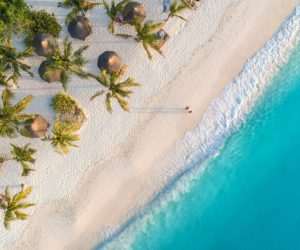
Tanzania is located in East Africa, Tanzania is bordered by the Indian Ocean on its Eastern Side, blessing us with the beauty of beautiful Island called Zanzibar. South of Tanzania is Zambia, Malawi, and Mozambique. North of Tanzania you will find Kenya and Uganda, whilst Rwanda, The Democratic Republic of the Congo, and Burundi can be found to the west.
How Do I Get to Tanzania:
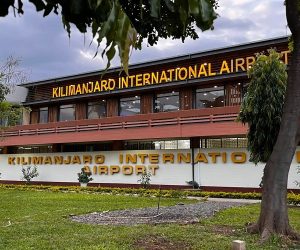
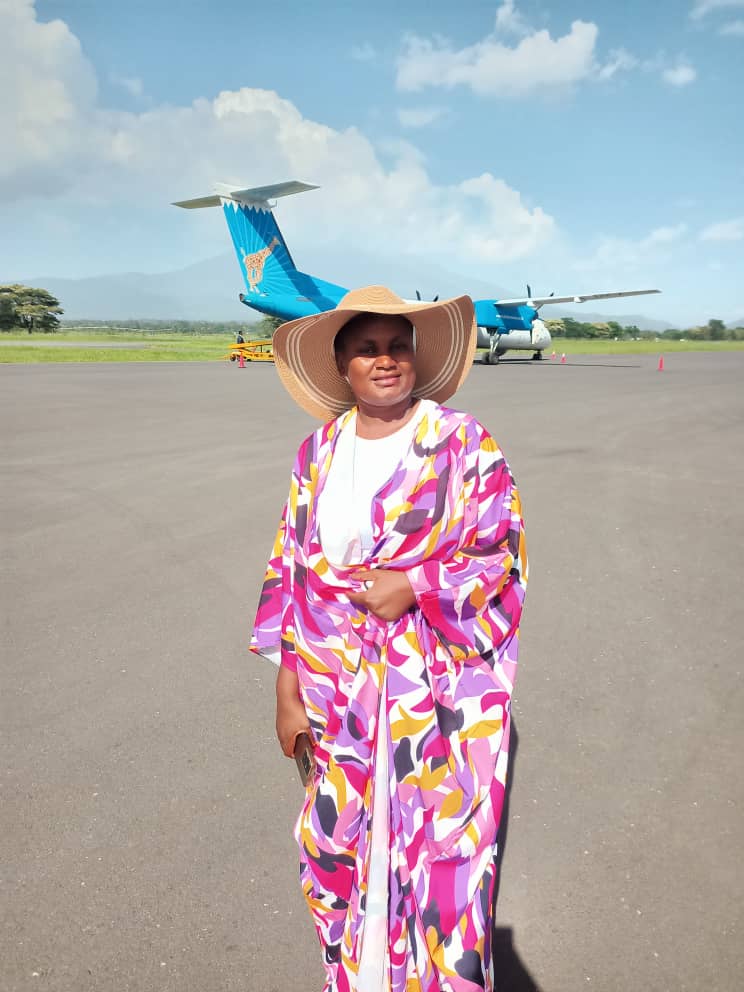
There are several numbers of ways of reaching to Tanzania, however you usually will fly into Kilimanjaro International Airport which located between Kilimanjaro region (37 minutes’ drive from Moshi) and Arusha region (45 minutes’ or 1-hour drive from Arusha City). Julius Nyerere International Airport in Dar es Salaam (640km, or 2 hours’ flight from Arusha City), or at the (45 minutes’ drive from Arusha City.
What is the time in Tanzania:
Tanzania is three hours ahead of Greenwich Mean Time (GMT+3). This means that there’s no time difference between their summer and winter months.
Is Tanzania Safe for Me to Visit:
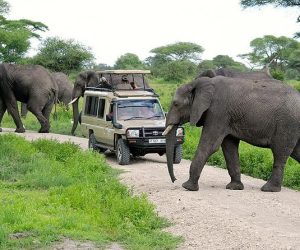
Tanzania is one of the safest destinations in East Africa. The locals are generous, friendly and eager to help visitors. However, just use a bit of common sense, don’t flaunt any valuables and you can enjoy the natural wonders, the culture and the people of Tanzania. On a safari, your safety will be in the hands of your guide. Make sure that you follow your guide guidance during wild moment.
What Language is spoken in Tanzania:
The official language of Tanzania is Swahili, and most of our people speak it. Just as well, as we have well over 120 different tribal languages! Fortunately, English is widely spoken in the larger towns and places where visitors frequent. At Women Adventure Africa we have guide who speaks various language as English – Spanish & German.
What is the climate and weather like in Tanzania:
Just south of the equator, Tanzania is huge and its sheer size means that the climate varies considerably within it. However, generally the main rainy season, or the ‘long rains’, lasts during about March, April and May. Afternoon tropical downpours are the norm – which are heavier and more predictable beside the coast and on the islands. The humidity is high and daily temperatures reach the low-mid 30°s.
The long dry season lasts throughout June, July, August, September and October is when rainfall is unusual, even on the islands. Temperatures vary hugely with altitude and location, but it’s usually a fine, clear sky and sunny weather – it’s a great time to visit Tanzania.
During November and December there’s another rainy season: the ‘short rains’. These are much lighter than the main rains and less reliable. If it has rained during the short rains, then it normally dries up for a few months, January and February, which is Tanzania’s ‘short dry season’, before starting to rain again in earnest in March.
How safe is the Food and Water in Tanzania:
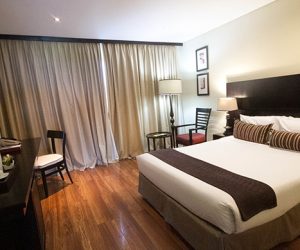
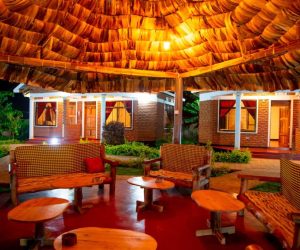
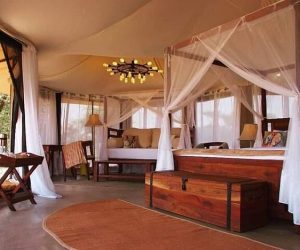
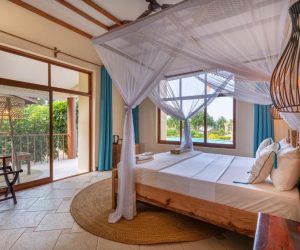
Most camps, lodges or hotels cater specifically to tourists and serve Western-style food, ranging in standard, but generally are excellent. Game lodges tend to offer a daily set menu with a limited selection, so it is advisable to have your tour operator specify in advance if you are a vegetarian or have other specific dietary requirements. First-time visitors to Africa might take note that most game lodges in and around the national parks have isolated locations, and driving within the parks is neither permitted nor advisable after dark, so that there is no realistic alternative to eating at your lodge.
Tap water in Tanzania is generally not safe to drink, and most travelers try to stick to mineral water. Filtered and bottled water can be difficult to find you are travelling outside of main town and so it is advisable to stock up. Most camps, lodges and hotels have bottled water readily available.