Mount Oldionyo Lengai
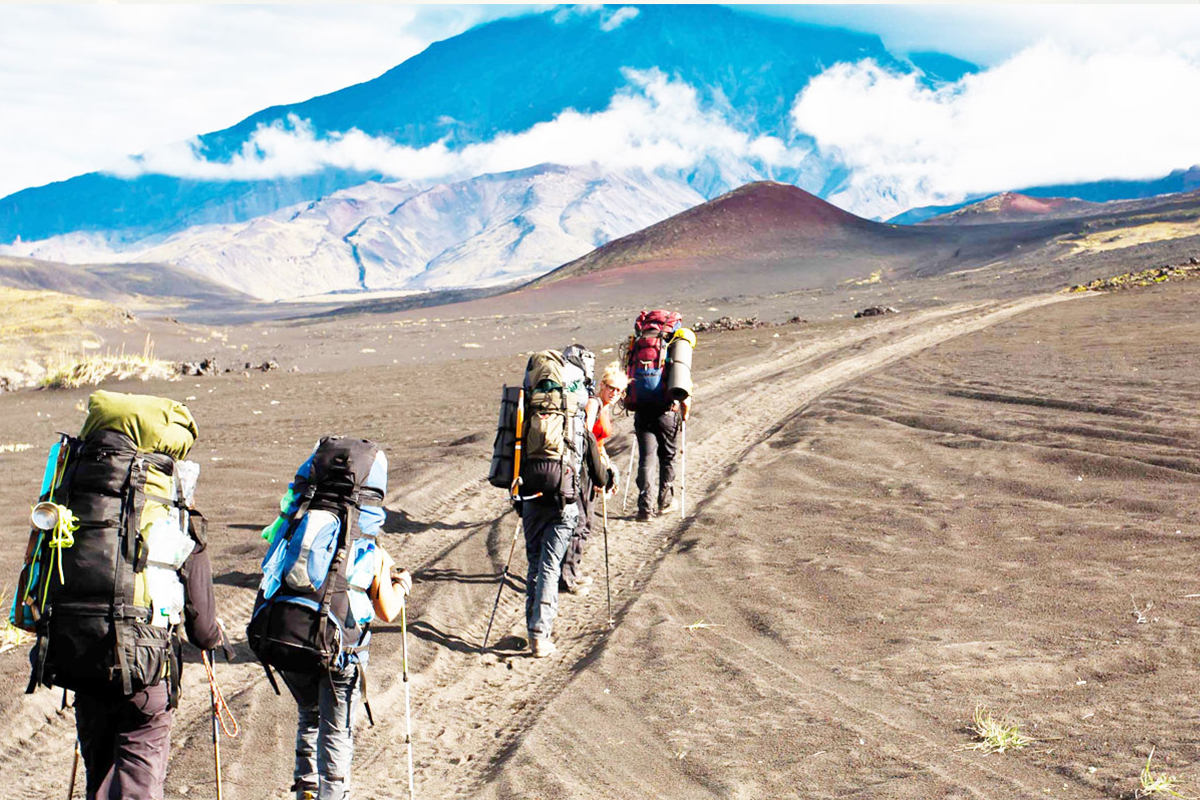
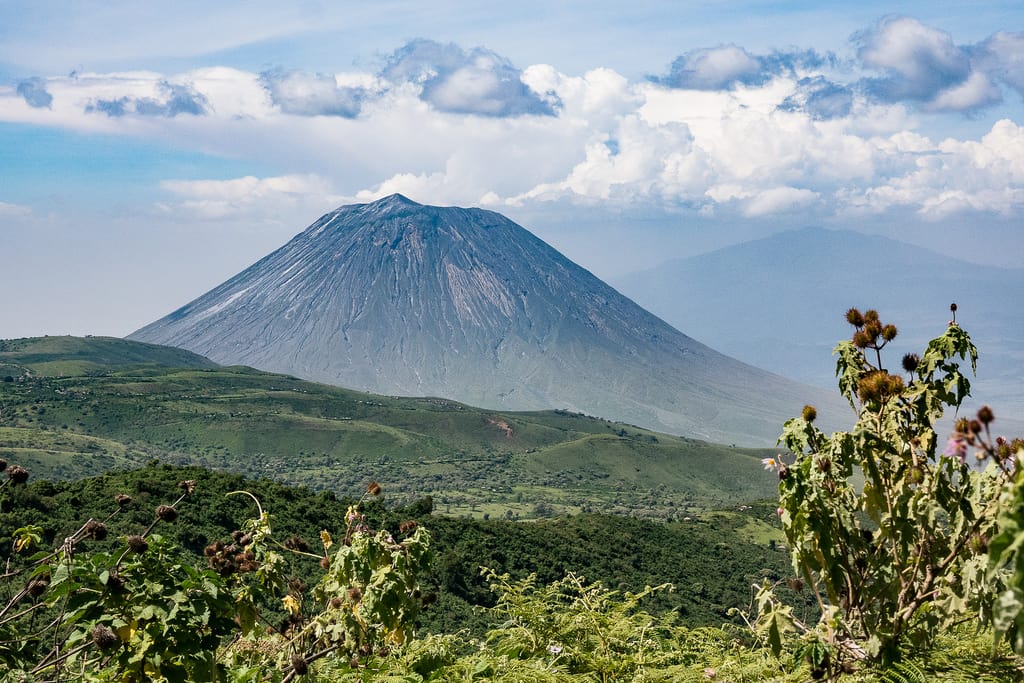
Mount Oldoinyo Le Ngai is located in northern part of Tanzania. “Oldoinyo Le Ngai” is a Maasai term meaning “Mountain of God”. This mountain is the only active volcano in East Africa. Volcanic activity on the mountain has been observed from as far back as 1883, and it is still active today. The Oldoinyo Le Ngai mountain reaches a height of approximately 9442 feet. The Crater Highlands are part of the Ngorongoro Conservation Area. This is a reserve where the local communities live alongside the wildlife. The highlands consist of a range of Volcanoes-not all extinct-rising steeply from the side of the Great Rift Valley in Northern Tanzania. Hence they are more than JUST the Ngorongoro Crater with a number of impressive peaks, with steep escarpments, crater lakes, dense forests and grassy ridges, streams and waterfalls. The volcano of Ol-Doinyo-Lengai (2878m) is even active! It is also home to many Maasai people who have grazed cattle on the grasslands here for hundreds of years. Most walking is done at around the 3000mts mark. There are many options though available to the adventurous. Spend your day through visiting some historical area around with full evening lake shore walking.
Why Do We climb at Night?
Mount Kilimanjaro is climbable all year round. The best months to climb Mount Kilimanjaro, however, are July to October and December to February, as these are the warmest and driest months respectively.
July, August and September tend to be the busiest months on the mountain.
Another factor to take into consideration is the full moon. Summiting Kilimanjaro on a cloudless evening with the moon as your guide instead of headlamp is without a doubt an unforgettable experience. Also imagine seeing the glaciers glitter in the moonlight – absolutely stunning! Learn more in our post Kilimanjaro full moon climbs. You can also summit the mountain to celebrate any happy moments that you have. Summit with us for better experience.
Who Can Climb Oldoinyo Lenga?
Anyone from children over the age of 10 to older generations in their 60s and 70s! All you need is determination and the will to get to the summit. The real challenge with climbing Kilimanjaro is the altitude and the rate of ascent. Don’t worry we will be with you every step of the way! Our guides are highly skilled professionals and are a key component to your success.
Gain the best experience through trekking with our trekking expert team.
What is The Climate of The Mountain?
Mount Kilimanjaro’s Temperature.
Mount Kilimanjaro’s Temperature doesn’t really change from season to season. Instead, the Temperatures on Mount Kilimanjaro are literally determined by the altitude and what time of day it is.
Base of Kilimanjaro.
At Kilimanjaro base, the average temperature is around 70 to 80 degrees Fahrenheit 21 to 27 degrees Celsius. And as you ascend further, the temperatures will decrease while going through the mountain’s 5 ecological zones.
Uhuru Peak.
At the Kilimanjaro Summit, Uhuru Peak, which lies in the arctic zone the night temperatures can drop down to -20 degrees Fahrenheit ( -29 degrees Celsius). Therefore, we strongly recommend you to always be prepared for wet and cold nights. So, please carry all the required gears at all times.
What Kind Experience do I need?
No reasonable level of fitness is required to climb Kilimanjaro, but previous hiking or climbing experience will help. You need to be fit and healthy and have a good pair of worn-in hiking boots. The fitter you are the more you are likely to enjoy it.
What Gears Do I Need?
Routes to Mount Kilimanjaro.
There are seven different Kilimanjaro routes up the mountain. We recommend the 9 Days Lemosho, 7 Day Machame and 9 Day Northern Circuit routes. These routes offer the best balance of a high success rate and beautiful scenery during trekking.
THE LEMOSHO ROUTE: is considered the most scenic trail on Kilimanjaro, granting panoramic vistas on various sides of the mountain. As one of the newer routes, Lemosho is a superb choice for your climb. It is our preferred route due to its ideal balance of low crowds, beautiful scenery and a high summit success rate. Most of our clients climb Kilimanjaro using this route and they consistently report that they loved it. Thus, Lemosho is highly recommended.
THE MARANGU ROUTE: is also known as the “Coca-Cola” route, is a classic trek on Mount Kilimanjaro. It is the oldest, most well-established route. Many favors the Marangu route because it is considered to be the easiest path on the mountain, given its gradual slope. It is also the only route which offers sleeping huts in dormitory style accommodations. And the minimum numbers of days required for this route is five, although the probability of successfully reaching the top in that time period is quite low. Spending an extra acclimatization day on the mountain is highly recommended when climbing Kilimanjaro using the Marangu route. The Marangu route is a good choice for climbers.
THE NORTHERN CIRCUIT ROUTE: this is also known as the Grand traverse or the 360 Route and offers the complete Kilimanjaro experience in terms of all the habitats and the views of the mountain from all sides. Northern circuit route is the longest route on Kilimanjaro, a nine day trip initially ascending Lemosho route on the western side of the mountain up onto the Shira Plateau before reaching the Lava Tower, then heading north and circumnavigating the main summit massif in a clockwise direction and joining up with the Rongai route. The summit is then climbed from the eastern side of the mountain and the descent is straight down via the southern Mweka route.
How Long Is The Climb?
If you don’t need to come with mountain climbing gear, its possible to rent most of the clothing and equipment you need in Tanzania, but bringing your own clothes, well worn-in boots and a good sleeping bag is best. You will need a small day pack with enough space for wind and rain clothes, some first aid, 3 liters of water and snacks.
Warm clothes (fleece, wind and waterproof layers), good polarized sunglasses, sunscreen and a head lamp should be included in your packing list. You might prefer to use walking sticks and gaiters, but these can be rented from your trekking operator. Even thermal underwear and down jackets can be rented from us. If think you do not have the correct clothing and gear, please contact Kilimanjaro-Experience for advice.